What to expect when getting your RV inspected
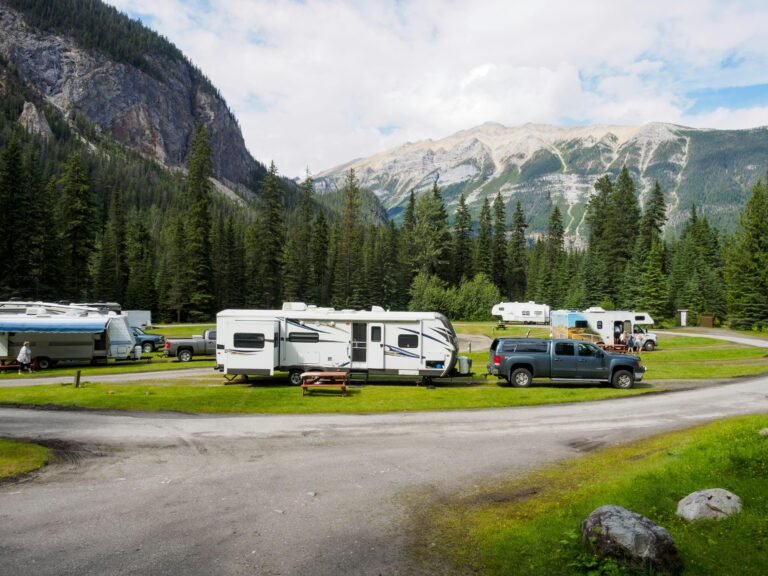
Points of inspections
1. Roof
Inspect and evaluate the condition of the
overall roof
sealants and joints
roof vents, air conditioners, antenna, and other roof components
2. Sidewall and Endcaps
Inspect and evaluate front and rear caps
aging and general overall condition
appearance and functional condition of the end caps, sidewalls, entrance doors, windows and cargo access doors.
any damage, discoloration and delamination of the side wall and end cap components.
3. Slideout Rooms
Identify and evaluate the types of slide-out room drive systems and the condition of the
roof material for the slide-out room
seals, sweeps, and gaskets for possible damage
attached wiring and utility harness that feed underneath the slide-out room
4. Awnings and Slide-out Toppers
Inspect and identify the operational type (manual vs electric) of the awnings , slide-out toppers and window awnings and operate and rate the condition of the
awning frames and latching mechanisms
fabric material of the awnings
Measure and document the fabric size of the awnings
5. Chassis Signal and Running Lights
Inspect the condition of the 7 pin connector cord
Operate and evaluate the emergency break away switch
Activate and evaluate the operation of the DOT lights mounted on the RV
6. 120 Volt AC Electrical System
Inspect and rate the condition of the power cord and its connection ends
Remove cover panel of the 120 volt circuit breaker box to visually inspect the condition of the wiring, circuit breakers, and grounding connections.
Verify the separation of all the wiring types
Test and verify the output operation of the 120 VAC to 12 VDC converter for charging of the deep cycle battery
Test and verify the inverter if applicable
7. Generator Engine
– if installed *strongly recommend performing oil analysis to determine internal combustion engine component condition.
Identify and note the model, serial number, and run hours of the generator
Check oil level
Start and operate the onboard generator
Test the voltage output and frequency (60 cycles)
Put generator under a load to verify operation (typically operating 1 air conditioner will create the correct amount of load)
8. Generator Radiator
– if installed on this model of Generator *strongly recommend performing coolant analysis to determine the condition of the coolant fluid and the internal cooling system.
Location of the radiator and cooling fans
Visually inspect the coolant reservoir, radiator and hoses
9. Inverter
– if installed
Identify and note the model and serial number of the inverter
Visually inspect the wiring and electrical connections and fuses/circuit breakers
Place electrical load on inverter to verify proper operation
10. Coach Battery System
(12 volt DC deep cycle Battery Electrical System)
Locate and note the location of the battery stack
Evaluate the condition, age, and matched sizing of the battery stack
Evaluate and determine if positive and negative cables are correctly matched for balanced load
Access and visually inspect the wiring, fuse panel, and fuses of the 12 volt DC electrical system
Evaluate the operation of the fresh water/wastewater monitor panel for incorrect tank readings
11. Wastewater Systems
(Gray and Black Water)
Operationally test and inspect waste (gray and black) plumbing systems for leaks
Identify the type of drain valve controls, verify they will maintain water in their tank, and test for ease of operation
Verify the drain cap is in place and will hold wastewater
12. DOT Cylinders
– if equipped
Document the manufacture date, location(s), and tank sizes of DOT cylinders
Conduct visual inspection of exterior of cylinder for rust and other damage
13. Asme Tank
– if equipped
If tank is visible, conduct a visual inspection of tank for rust or physical damage
List the location, manufacture date (if accessible), and gallon capacity of the tank
14. Leveling System
Identify and note the brand and type of system
Verify the system operates properly by extending and retracting leveling system
Note visual indications of hydraulic leaks or mechanic issues
15. Weight Labels and Data Plates
Identify and document the Vehicle Identification Number (VIN), Vehicle Frame Number and license plate info
List the inspection sticker information (if applicable), RVIA inspection seal number, Gross Vehicle Weight Rating, and date of manufacture
16. Motorhome
Please note the following items: Due to insurance restrictions the Motorhome can NOT be driven by the Inspector
17. Engine
Make and model of the engine
Verify oil level on the dipstick
Indications of engine issues or any noises while running
Are there noticeable oil or exhaust leaks
Note the oil pressure reading on the dash gauges
18. Radiator
Location of the radiator and cooling fans
Visually inspect the coolant reservoir, radiator and hoses
19. Transmission
Type of transmission
Fluid level on dipstick
Indications of contaminated transmission fluid
20. Steering
Visually inspect for bent or damaged components and hydraulic leaks
21. Life Safety Items
Perform and document LP gas timed leak test
Test the Ground Fault Circuit Interrupter (GFCI) circuits
Test all wall receptacles for correct polarity and ground fault
Test the exterior skin for hot skin that would cause electrical shock
Emergency Exit Windows – Verify all safety windows are operational
Verify Fire Extinguisher is secure and fully charged
Test and verify operation and expiration date of Smoke/Fire Detector and Carbon Monoxide Detector (if applicable)
LP Gas Detector – Verify gas detection and audio alarm and document expiration date of detector
Verify the rubber grommet is properly sealed around LP gas line of water heater
22. Refrigerator
Identify the brand, model, and type of refrigerator
Note the location of the vent panels used by refrigerator
Operate on all heat sources – 120 volt AC, LP gas and for 3-way refrigerators, 12 volt DC
Collect serial and model number and verify with manufacturer if recall notice has been issued and completed for this unit
Visually verify if baffle system on back of refrigerator area is correct and directing heat away from gas coils
Test for interior temperature of upper and lower refrigerator compartments and ice maker (if installed) *if refrigerator has been operating for minimum of 12 hours
Check condition of door frame, shelving, crisper drawers, door shelves, door gasket seals, and interior light
23. Water Heather
– if equipped
Identify the brand, model, and type of water heater
Visually inspect burner assembly and gas exhaust system for blockages and insect infestation
Fill tank with water (if necessary) and verify operation on all heat sources – LP gas and 120 volt AC if equipped with heating element
Operate and verify positioning of bypass valves on back of water heater (If installed)
Determine if proper drain plug has been installed in water heater tank
Inspect and evaluate if the correct type of dauber screen is being used (If installed)
24. Furnace
– if equipped
Identify the brand, model, and type of furnace(s) that have been installed (If accessible)
Identify the type of thermostat controls being used to operate furnace(s)
Visually inspect air intake and exhaust assemblies for blockages and insect infestation
Operate and verify warm air discharge out of vents and proper return air flow to unit
Monitor for unusual noise or vibration of blower motor
Inspect and evaluate if the correct type of dauber screen is being used (If installed)
25. Cooktop/Stove
Evaluate and rate the condition of the cooktop or stove, the control knobs, door handles, oven racks, metal grill top, and rubber grommets of top burner area
List presence and condition of stove top covers
Verify the ignition and operation of all top burners and the oven flame (if equipped)
26. Air Conditioner(s)
Identify and list the type of cooling unit/heat pump
Perform cooling efficiency test (Delta T) on each unit
Visually inspect the plenum box and ductwork sealing, air filter, and the cooling and the heat exhaust coils for debris and cleanliness
27. Washer/Dryer
Visually inspect and verify a wash and rinse cycle of the washer and dryer and leaks or damaged hoses
Evaluate and rate the exterior condition of the dryer exhaust vent
28. Microwave/Convection Oven
Identify and list the brand, model, type, and output wattage of the unit
Verify the rack and turn tables are installed
Operate unit for 60 seconds utilizing cup of water and then list water temperature
29. Dishwasher
– if installed
Identify and list the brand and model of unit
Verify operation of unit and inspect for leaks and non-functioning rotating racks and wash bars
30. In House Vacuum System
– if installed
Identify and list the brand and model of unit
Verify the operation and visually inspect the various components
31. Electric Fireplace
– if installed
Identify and list the brand and model of unit
Operate and verify the various heat settings, fan speed levels, and the back lighting
32. Cooktop Exhaust Fan
Operate and verify condition of the exhaust function and fan speeds
Visually inspect the filter, lighting, and the exterior condition of the exhaust vent
33. Ceiling Mounted Fans and Ceiling Exhaust Vents
Visually inspect the condition of the blades and motor
Operate and verify condition of the blade direction and fan speeds and lighting (if equipped)
34. Interior Conditions and Appearance
Visually inspect all ceilings, walls, interior doors, and flooring for signs of water intrusion, surface damage and/or staining
Operate all windows and doors noting any deficiencies or missing components
Evaluate the window coverings
Operate all interior, exterior and décor lighting – 12 volt and 120 volt
35. Cabinets and Closet Condition
Inspect and evaluate all cabinet doors, drawers, and pull-out operation
Visually inspect all counter tops and flat surface areas of the kitchen, living room, bathroom, bedroom and storage areas for scratches and damage
Identify and list all broken and loose cabinet and closet hardware
Note if appearance of previous damage repairs have been performed
36. Furniture
Visually inspect the condition of the dinette table/booth, chairs, recliners and sofa
Inspect and note furniture fabric tears, discoloration and signs of excessive wear
Visually inspect and note signs of mattress damage or staining
37. Entertainment System
– if item installed
Visually inspect and operate all TV, stereo equipment, DVD/disc players, radios, local channels antenna, 12 volt DC power signal booster is operational, roof mounted antenna and remotes
38. Shower/Tub Enclosure
Visually inspect and evaluate the glass panels, curtains, soap dish areas, seals around the framework and doors for water leaks, latch system
39. Running Gear
Type and number of axles and weight ratings for each axle set
Inspect the frame, axles, springs, rims, and other components for rust, oil stains and visible damage
Document the information on the tires as to their age and weight capacities
Check tire pressure and tread condition
Note any valve extensions and pressure monitors
40. Hitch System/Hook Up
Inspect and identify the type of system used to tow vehicle
Evaluate and list modifications to hitch system